Minimum capital, the one-share-one-vote rule, allotments, certificates and transfers under the Companies Act 2009 as amended.
Questions about shares come up at every stage: when the company is formed, when an investor comes in, and when someone wants to leave. The Companies Act 2009 has several rules that surprise people used to other jurisdictions.
A note on names. The Companies Act 2009 set up the Corporate Affairs Commission to run the companies register. The National Investment Board Act 2022 repealed sections 2 to 14 of the Companies Act, which established the Commission, and replaced "Corporate Affairs Commission" with "National Investment Board" wherever it appears (section 50). The Board's Corporate Affairs Directorate now administers the Companies Act and regulates the incorporation and registration of companies (section 23). Where this article says "the Board", it means the National Investment Board.
Capital on formation
Since 2014, the memorandum of a private company must state the amount of its shares, 25 percent of which must be taken by the subscribers (section 23, as amended). Section 85 deals with minimum share capital. As amended in 2014, the rule that no company may be registered with less than the minimum share capital applies to public companies, and an existing public company below the minimum had 15 days to increase it (section 85(2) and (3), as amended). A company registered with shares must keep its issued capital at not less than 25 percent of its share capital (section 85(4)).
One share, one vote
Section 96 provides that shares issued after the Act came into force carry one vote per share on a poll, and that no company may by its articles or otherwise authorise shares carrying more than one vote or no vote at all. The subsection opens with the words "unless otherwise provided by any other enactment or the articles of association", so read it with care before relying on a class of shares with special voting rights. Investors who want control rights should consider contractual protections in a shareholders' agreement rather than weighted shares.
Private companies restrict transfers
Every private company must restrict the transfer of its shares in its articles, may have no more than 50 members (not counting employees and former employees who remain members), and may not invite the public to subscribe for its shares or debentures (section 19). A typical restriction gives existing members a right of first refusal, or requires the directors' approval of a transfer.
Allotting shares
Within one month of allotting shares, a company limited by shares must file a return of allotments with the names and addresses of the allottees and the amounts paid (section 110). Where shares are allotted for something other than cash, the contract must be filed too; since 2014 the contract must be "registered" rather than "stamped" (section 110, as amended). An officer in default is liable to a daily fine of Le 850,000.
Certificates and transfers
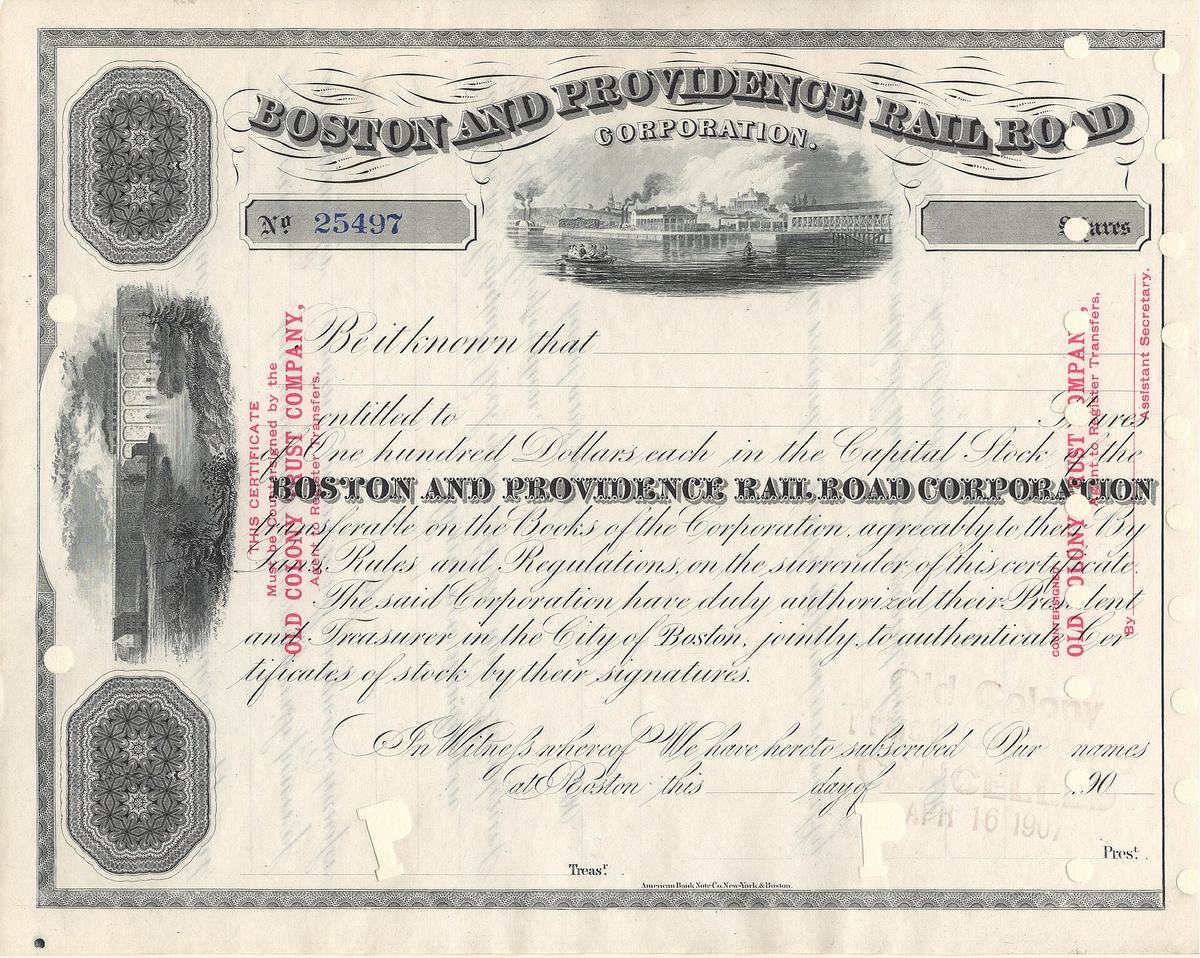
Share certificates must be ready for delivery within one month of allotment, and in the case of a transfer within one month of the transfer being agreed at a general meeting and approved by the Board (section 122(1), as amended). A company may not register a transfer unless a proper instrument of transfer is delivered to it (section 126(1)). On a shareholder's death, his personal representatives are the persons the company recognises (section 126(2)).
Knowing who really owns the shares
A public company may require a member to say in what capacity he holds his shares and, if not as beneficial owner, who is interested in them (section 80). A person who holds 10 percent or more of the voting rights in a public company is a substantial shareholder and must notify the company within 14 days (section 81). Private companies should still record beneficial ownership: regulators and banks increasingly ask for it.
Minority access to documents
Since 2014, any member holding 10 percent or less of the shares or voting rights may inspect documents relating to any transaction of the company, whether or not he intends to sue; if the company refuses, the Board may direct it to produce them, and continued refusal attracts a default fine (section 120(2), as inserted in 2014).
Fines in the Companies Act are stated in old Leones. Since the 2022 redenomination, 1,000 old Leones are one New Leone, so a daily default fine of Le 850,000 is NLe 850.
This article is general information on the Companies Act 2009 as amended by the Companies (Amendment) Act 2014 and the National Investment Board Act 2022. It is not legal advice on any particular matter. Fees, forms and practice at the registry change, so confirm the current position before you act.